
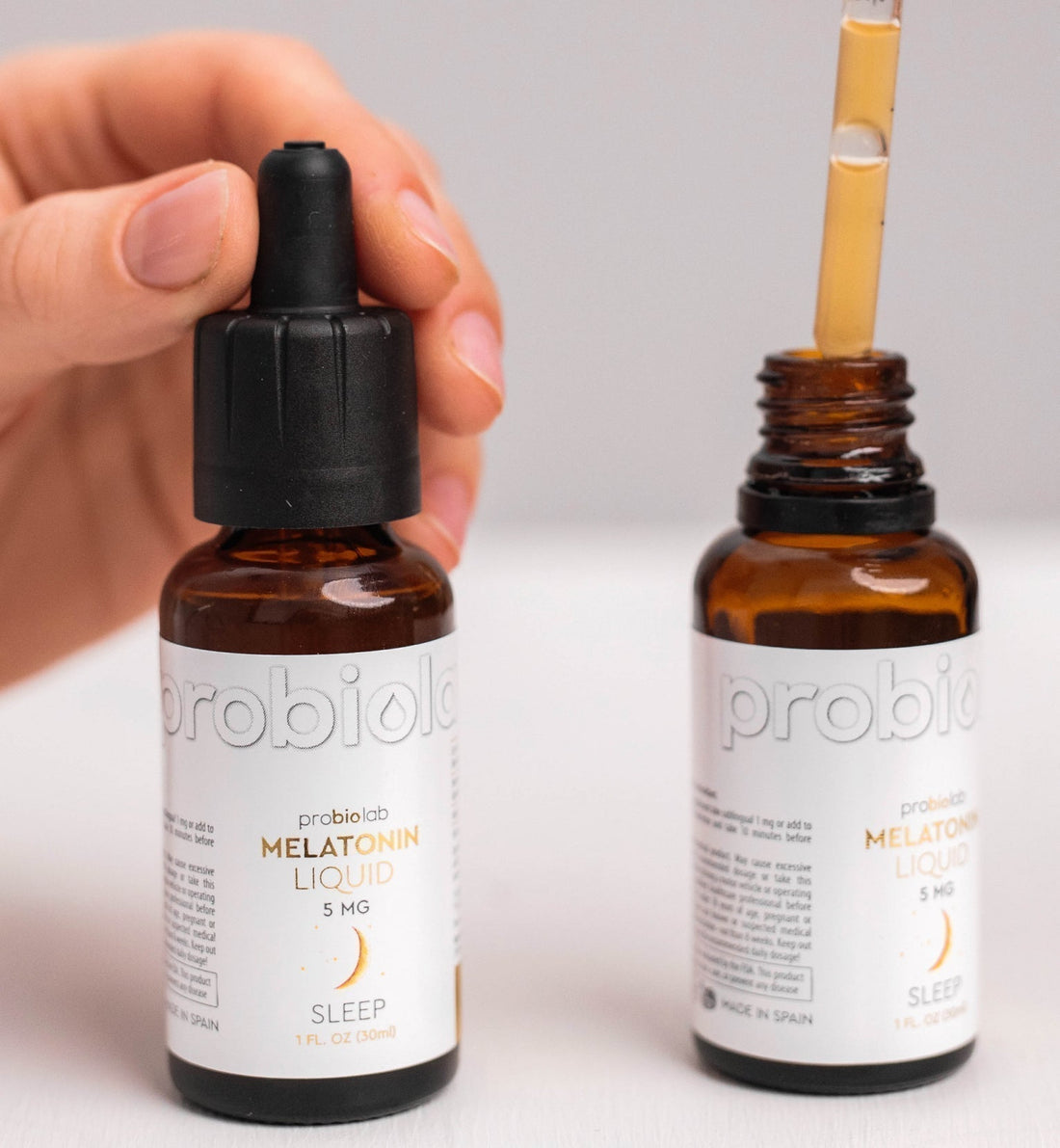
Detailed Summary about melatonin: What is melatonin? What is it for? Why does melatonin not work for everyone? The endocrinologist Oksana Khmelnitskaya explains
Share
Man being a child of nature depends on the change of day and night, seasons and solar activity. No wonder they say that sleep is the best medicine, fitness for the lazy, etc. During sleep, a human being recovers and rests, including due to the coordinated work of certain hormones. Let's talk about melatonin. This is a hormone responsible for regulating circadian rhythms in the body.
Melatonin is 80% synthesized in the pineal gland (epiphysis) from the amino acid tryptophan, which is mainly found in animal and soy products and nuts. Tryptophan first turns into the hormone of joy - serotonin, for which we need sunlight. To sleep well at night, you need to spend enough time outdoors during the day. Overcast weather, clouds, fog not only reduce the synthesis of serotonin and cause melancholy, but also affect the level of melatonin. Melatonin is also synthesized in the gastrointestinal tract (any kind of dysbiosis, IBS, SIBO can worsen its production), in the appendix (it is not such an unnecessary rudiment), in the retina of the eye (this is why you should not take melatonin whenever it comes to mind, for example, in the morning, because it can lead to deterioration of vision), in the lungs, thymus, kidneys, placenta, etc.
To synthesize melatonin from serotonin, darkness is needed, as well as sufficient amount of vitamin B6 and vitamin C. Melatonin begins to be produced at dusk, the peak of melatonin synthesis occurs from 11:00 PM to 3:00 AM. Therefore, it is recommended to go to bed today and get up tomorrow. It is also important to go to bed at about the same time. Physiological sleep is considered to be a multiple of 1.5 hour intervals, it should last at least 6 hours, up to 9 hours. Nowadays, the ""electronic"" insomnia is common, when we use artificial lighting, the light from blue TV screens and gadgets in the evening until late at night, thus blocking the synthesis of melatonin. It is recommended to turn off electronic devices no later than 2 hours before going to bed, use blue blockers, switch smartphone screens to night mode. Also, the scourge of modern times is the ""Monday syndrome"". That is when we wait for the weekend to go all out, then go to bed in the morning and have a hard time getting back into the routine from Monday.
Melatonin levels are stable until the age of about 35-40. Then there is a gradual decrease in its production. If you deliberately ignore reasonable sleep rules, thus reducing the concentration of melatonin, this can lead to DNA damage and premature aging. After the age of 70, the amount of melatonin at night does not differ from the daytime level, so older people often complain of insomnia. There is an assumption that a decrease in melatonin levels is a marker of the body's fading. It is proposed to use melatonin at the age of 40-45+ as a hormone replacement therapy, as an anti-aging drug to prolong youth
In addition to sleep regulation, melatonin has many other positive effects. It is a powerful antioxidant that protects us from oxidative stress. It is known as onco- and geroprotector as well as immunomodulator. There is not enough data on its use in autoimmune diseases, but a number of researchers believe that melatonin deficiency aggravates autoimmune diseases and is prescribed, among other things, for autoimmune thyroiditis, rheumatoid arthritis, multiple sclerosis, fibromyalgia, psoriasis, etc. Melatonin deficiency is associated with depression, metabolic syndrome, obesity, diabetes, atherosclerosis, hypertension, gastrointestinal diseases, bronchial asthma. Melatonin prevents conditions associated with estrogen dominance (breast cancer, fibroids, prostate cancer). Unfortunately, people who work night shifts for a long time have an increased risk of getting these diseases.
Melatonin is a counterbalance to cortisol. Being an anti-stress hormone, it reduces cortisol levels at night, which is relevant in our stressful and multitasking world. When we do not sleep and work at night, the cortisol levels at night also remain elevated. This leads to the formation of insulin resistance and increases the risk of abdominal obesity, carbohydrate metabolism disorders, dyslipidemia.
Melatonin is included in the recommendations for the treatment of COVID-19. This wonderful hormone helps suppress the cytokine storm, reduces the risks of sepsis and fatal outcomes, excessive inflammation, and accelerates recovery.
An additional bonus of a healthy night's sleep is the production of growth hormone. This hormone promotes fat burning, maintains muscle mass, and has an anti-inflammatory effect. The synthesis of leptin, the satiety hormone, is regulated at night. If you do not sleep at night, the risk of overeating by 500 kcal the next day is higher. The endorphins are produced at night, preventing depression
The sleep hygiene certainly is high on the agenda. That is the daily regimen with timely going to bed before midnight, sleep in complete darkness and silence (sleep masks, earplugs, blackout curtains), a cool room, a heavy blanket. The gadgets should be put away 2 hours before going to bed. Late workouts and excessive physical as well as mental activity, late heavy meals, alcohol should be eliminated.
For adequate synthesis and absorption of melatonin, it is necessary to eliminate the deficiency of protein (transported by amino acids, synthesized from amino acids), the lack of vitamin D, magnesium, B vitamins (optimally in coenzyme forms).
Melatonin is indicated for desynchronosis, frequent flights with time zone changes (jet lag), shift work, covid-19, and severe stressful situations. You need to start with minimal doses (from 0.3-0.5 mg). The average used doses are 1-3 mg (up to 5 mg). The drug is taken 30 minutes before the expected bedtime. Sublingual forms are the most bioavailable and have a quick effect. The duration and doses are determined individually depending on the problems being solved.
When using melatonin, there may be an opposite effect such as sleep disturbance. This is an individual reaction, more pronounced in the syndrome of ""tired"" adrenal glands. In this situation, it is necessary to reduce the dosage, start with minimal doses (for example, 0.3 mg), change the manufacturer. Sometimes, while taking melatonin, there may be excessively vivid, realistic dreams, due to which a person does not feel rested in the morning, wakes up exhausted, with a headache, although he or she slept all night. Here, you can also try to reduce the dose of the drug
The drugs with melatonin should not be used by children and adolescents. Children already have the maximum level of their endogenous melatonin. While prescribing to adolescents may affect the balance of the body's hormonal systems.
It is not only melatonin that affects the quality of sleep. If it does not give the desired effect, the problem needs to be studied more deeply. The dysfunction of the adrenal glands, nocturnal hypoglycemia, getting up at night to go to the toilet due to testosterone deficiency, obstructive sleep apnea syndrome. The causes are varied. In these and similar situations, a skilled professional will help to understand the problem more deeply.
Melatonin is 80% synthesized in the pineal gland (epiphysis) from the amino acid tryptophan, which is mainly found in animal and soy products and nuts. Tryptophan first turns into the hormone of joy - serotonin, for which we need sunlight. To sleep well at night, you need to spend enough time outdoors during the day. Overcast weather, clouds, fog not only reduce the synthesis of serotonin and cause melancholy, but also affect the level of melatonin. Melatonin is also synthesized in the gastrointestinal tract (any kind of dysbiosis, IBS, SIBO can worsen its production), in the appendix (it is not such an unnecessary rudiment), in the retina of the eye (this is why you should not take melatonin whenever it comes to mind, for example, in the morning, because it can lead to deterioration of vision), in the lungs, thymus, kidneys, placenta, etc.
To synthesize melatonin from serotonin, darkness is needed, as well as sufficient amount of vitamin B6 and vitamin C. Melatonin begins to be produced at dusk, the peak of melatonin synthesis occurs from 11:00 PM to 3:00 AM. Therefore, it is recommended to go to bed today and get up tomorrow. It is also important to go to bed at about the same time. Physiological sleep is considered to be a multiple of 1.5 hour intervals, it should last at least 6 hours, up to 9 hours. Nowadays, the ""electronic"" insomnia is common, when we use artificial lighting, the light from blue TV screens and gadgets in the evening until late at night, thus blocking the synthesis of melatonin. It is recommended to turn off electronic devices no later than 2 hours before going to bed, use blue blockers, switch smartphone screens to night mode. Also, the scourge of modern times is the ""Monday syndrome"". That is when we wait for the weekend to go all out, then go to bed in the morning and have a hard time getting back into the routine from Monday.
Melatonin levels are stable until the age of about 35-40. Then there is a gradual decrease in its production. If you deliberately ignore reasonable sleep rules, thus reducing the concentration of melatonin, this can lead to DNA damage and premature aging. After the age of 70, the amount of melatonin at night does not differ from the daytime level, so older people often complain of insomnia. There is an assumption that a decrease in melatonin levels is a marker of the body's fading. It is proposed to use melatonin at the age of 40-45+ as a hormone replacement therapy, as an anti-aging drug to prolong youth
In addition to sleep regulation, melatonin has many other positive effects. It is a powerful antioxidant that protects us from oxidative stress. It is known as onco- and geroprotector as well as immunomodulator. There is not enough data on its use in autoimmune diseases, but a number of researchers believe that melatonin deficiency aggravates autoimmune diseases and is prescribed, among other things, for autoimmune thyroiditis, rheumatoid arthritis, multiple sclerosis, fibromyalgia, psoriasis, etc. Melatonin deficiency is associated with depression, metabolic syndrome, obesity, diabetes, atherosclerosis, hypertension, gastrointestinal diseases, bronchial asthma. Melatonin prevents conditions associated with estrogen dominance (breast cancer, fibroids, prostate cancer). Unfortunately, people who work night shifts for a long time have an increased risk of getting these diseases.
Melatonin is a counterbalance to cortisol. Being an anti-stress hormone, it reduces cortisol levels at night, which is relevant in our stressful and multitasking world. When we do not sleep and work at night, the cortisol levels at night also remain elevated. This leads to the formation of insulin resistance and increases the risk of abdominal obesity, carbohydrate metabolism disorders, dyslipidemia.
Melatonin is included in the recommendations for the treatment of COVID-19. This wonderful hormone helps suppress the cytokine storm, reduces the risks of sepsis and fatal outcomes, excessive inflammation, and accelerates recovery.
An additional bonus of a healthy night's sleep is the production of growth hormone. This hormone promotes fat burning, maintains muscle mass, and has an anti-inflammatory effect. The synthesis of leptin, the satiety hormone, is regulated at night. If you do not sleep at night, the risk of overeating by 500 kcal the next day is higher. The endorphins are produced at night, preventing depression
The sleep hygiene certainly is high on the agenda. That is the daily regimen with timely going to bed before midnight, sleep in complete darkness and silence (sleep masks, earplugs, blackout curtains), a cool room, a heavy blanket. The gadgets should be put away 2 hours before going to bed. Late workouts and excessive physical as well as mental activity, late heavy meals, alcohol should be eliminated.
For adequate synthesis and absorption of melatonin, it is necessary to eliminate the deficiency of protein (transported by amino acids, synthesized from amino acids), the lack of vitamin D, magnesium, B vitamins (optimally in coenzyme forms).
Melatonin is indicated for desynchronosis, frequent flights with time zone changes (jet lag), shift work, covid-19, and severe stressful situations. You need to start with minimal doses (from 0.3-0.5 mg). The average used doses are 1-3 mg (up to 5 mg). The drug is taken 30 minutes before the expected bedtime. Sublingual forms are the most bioavailable and have a quick effect. The duration and doses are determined individually depending on the problems being solved.
When using melatonin, there may be an opposite effect such as sleep disturbance. This is an individual reaction, more pronounced in the syndrome of ""tired"" adrenal glands. In this situation, it is necessary to reduce the dosage, start with minimal doses (for example, 0.3 mg), change the manufacturer. Sometimes, while taking melatonin, there may be excessively vivid, realistic dreams, due to which a person does not feel rested in the morning, wakes up exhausted, with a headache, although he or she slept all night. Here, you can also try to reduce the dose of the drug
The drugs with melatonin should not be used by children and adolescents. Children already have the maximum level of their endogenous melatonin. While prescribing to adolescents may affect the balance of the body's hormonal systems.
It is not only melatonin that affects the quality of sleep. If it does not give the desired effect, the problem needs to be studied more deeply. The dysfunction of the adrenal glands, nocturnal hypoglycemia, getting up at night to go to the toilet due to testosterone deficiency, obstructive sleep apnea syndrome. The causes are varied. In these and similar situations, a skilled professional will help to understand the problem more deeply.